The Water Crisis
Sub-Saharan Africa carries the world's heaviest water burden. The facts are stark.
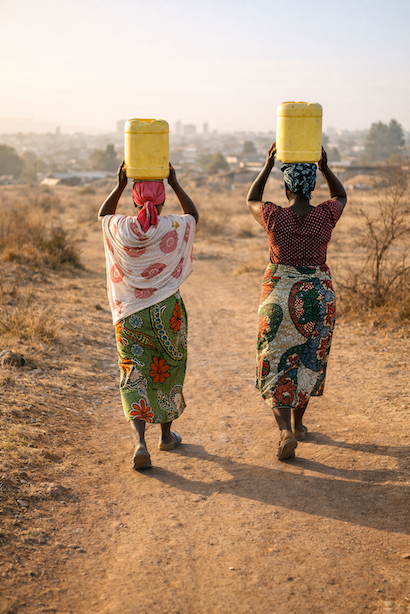
Lowest Access Rates Globally
Sub-Saharan Africa has the lowest safe water access of any region. Some rural communities have none.
Women Bear the Burden
Women and girls walk 6+ km daily for water, sacrificing education, income, and safety.
Preventable Disease
Cholera, typhoid, and diarrhoea from contaminated water kill children under 5 every day.
Economies Held Back
The African Development Bank estimates water insecurity costs the continent billions annually.
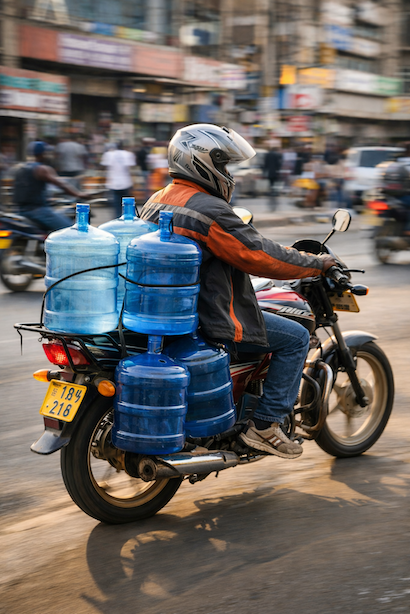
Informal Vendors
Millions in Nairobi, Kampala, and Dar es Salaam depend on unregulated, untested, overpriced water vendors.
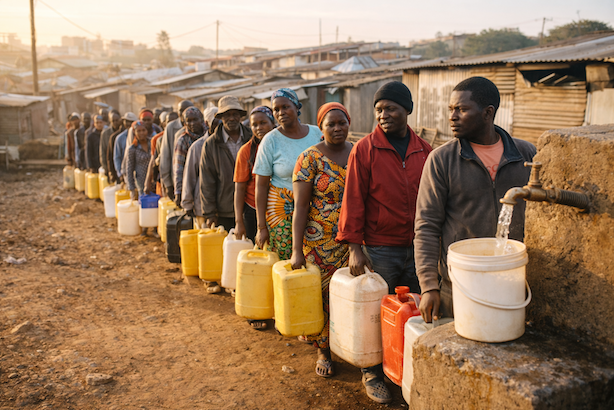
Price Exploitation
Low-income estates pay up to 10x more per litre than wealthy neighbourhoods on municipal supply.
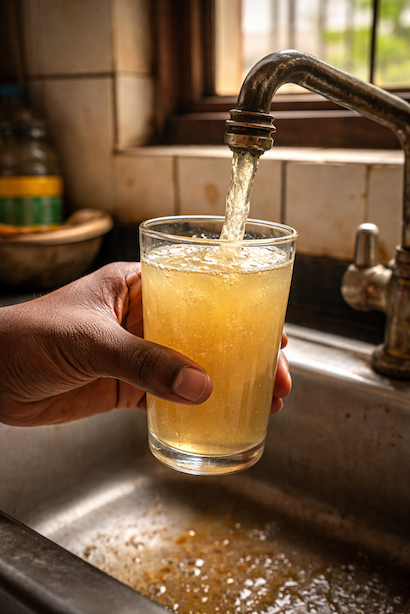
Unknown Quality
Most water sources are never tested. No labels, no accountability. MajiMap closes that gap.
"Why does water cost 10x more in Kibera than in Karen?"
The question that launched MajiMap, our public data platform for water pricing, quality, and access.
Explore MajiMap →Kenya
28 million lack safe water. Nairobi's utility serves less than half the city.
Uganda
21 million without basic water access. Kampala mirrors Nairobi's pricing inequality.
Ethiopia
The largest water-insecure population in East Africa. Drought cycles are accelerating.
Tanzania
24 million without clean water. Dar es Salaam's growth outpaces infrastructure.
Somalia
Conflict has devastated infrastructure. One of the most water-stressed nations on earth.
Rwanda
3 million Rwandans still lack safe water despite strong governance.
Burundi
Only 1 in 4 rural Burundians has access to a basic water source.
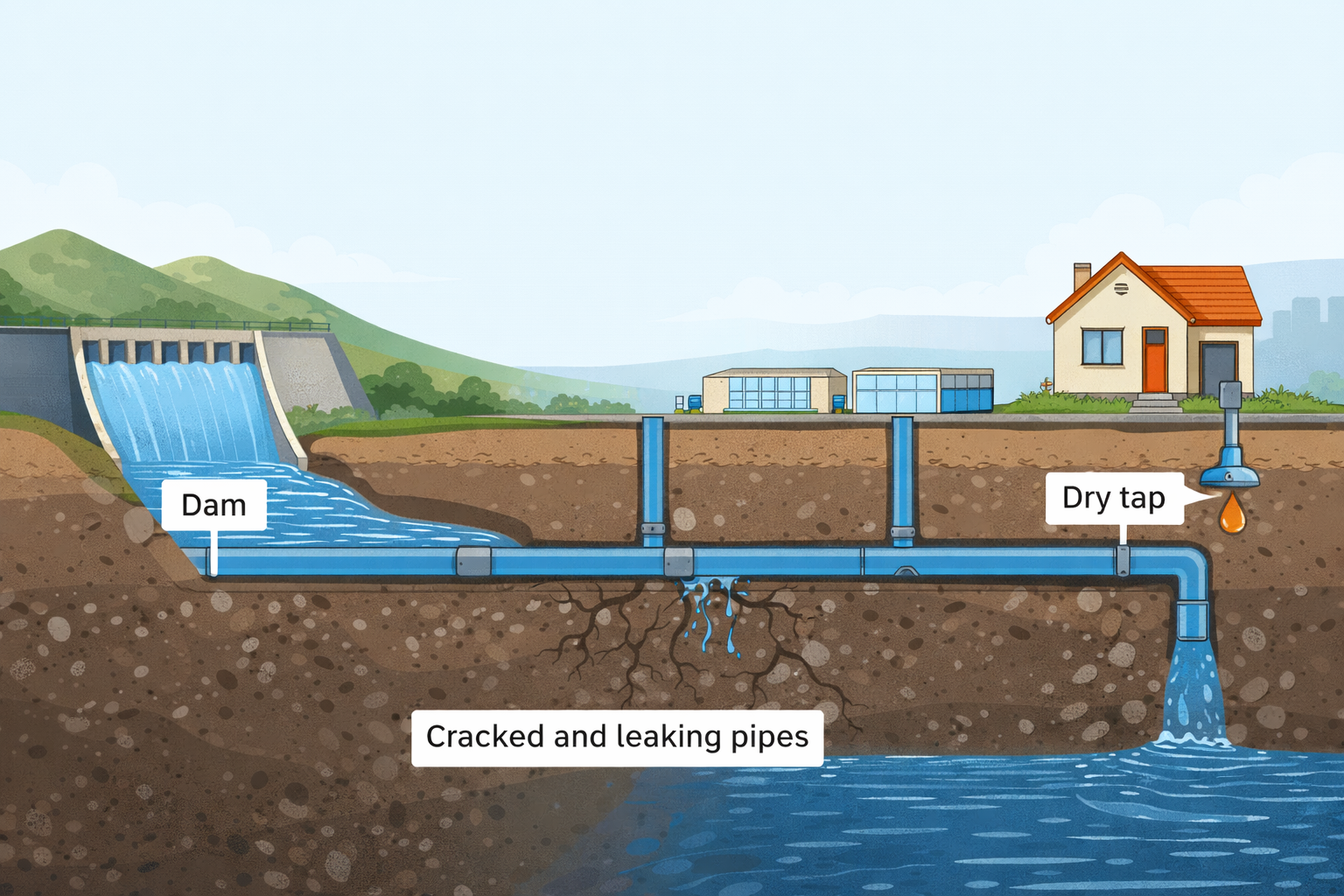
Rural Infrastructure Failure
50,000+ rural water points in Sub-Saharan Africa are broken at any time (RWSN). The problem is maintenance, not construction. Without local technical capacity and spare parts, expensive infrastructure becomes scrap.
Agriculture & Irrigation
Africa has 60% of the world's uncultivated arable land but irrigates only 6% (FAO). Crop water productivity is 2 to 4 times lower than global averages. Better water management could double yields.
Urban Water Management
Non-revenue water averages 40% across African cities (IWA). Nairobi loses an estimated 42% of treated water before it reaches customers. Residents pay more for less.
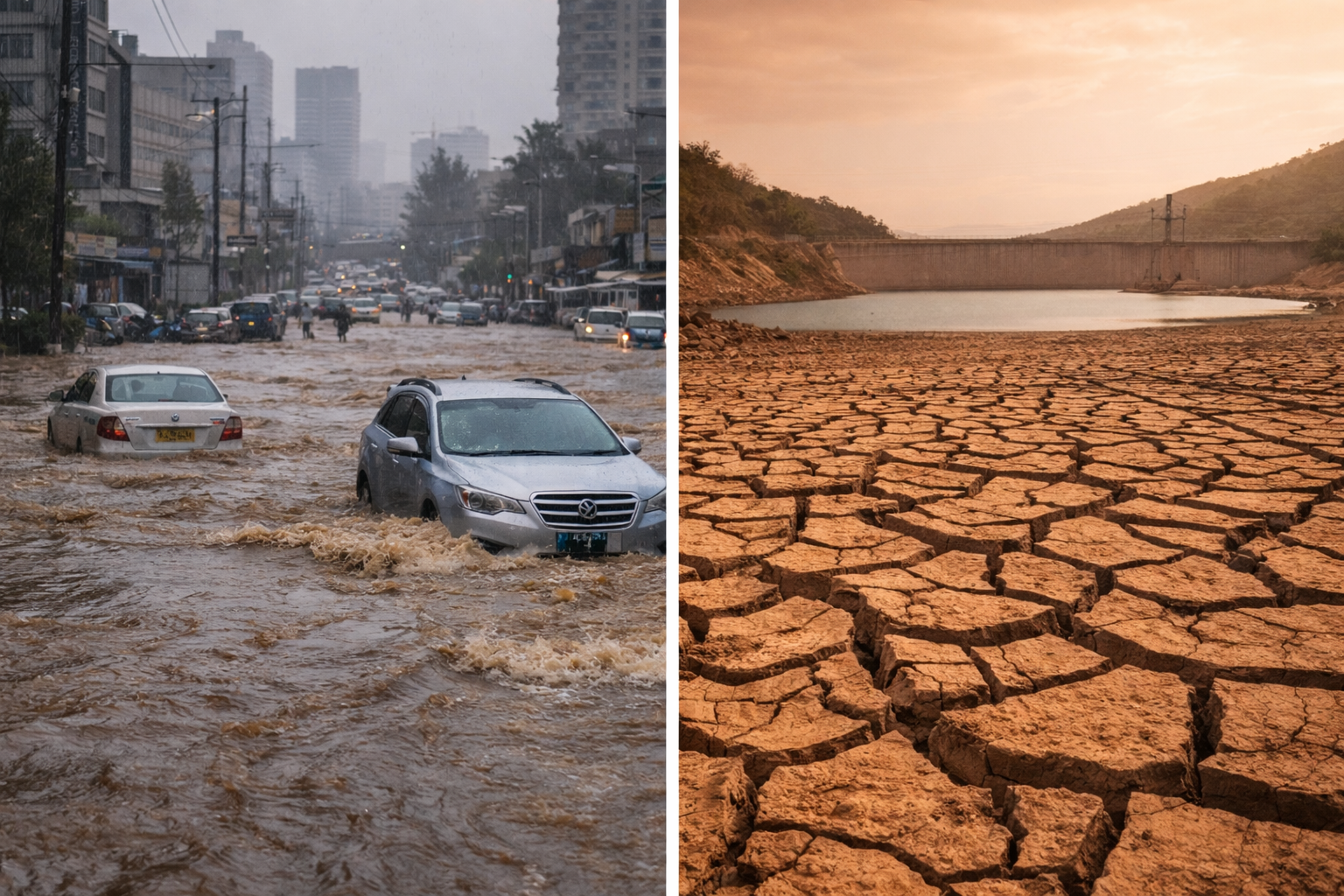
Water Stress & Climate
The WRI Aqueduct tool classifies 25 African countries as high or extremely high water stress by 2040. East Africa has abundant rainfall but insufficient capture and storage. The Horn of Africa just endured its worst drought in 40 years.
Water efficiency is the multiplier
Every litre saved through better infrastructure, smarter agriculture, and reduced urban waste reaches someone who needs it. MiMaji Foundation combines data visibility with the MiMaji platform to close efficiency gaps in Nairobi.
The Solution Is Within Reach.
Clean water technology exists. The data is clear. What's needed now is action from partners, donors, volunteers, and communities.